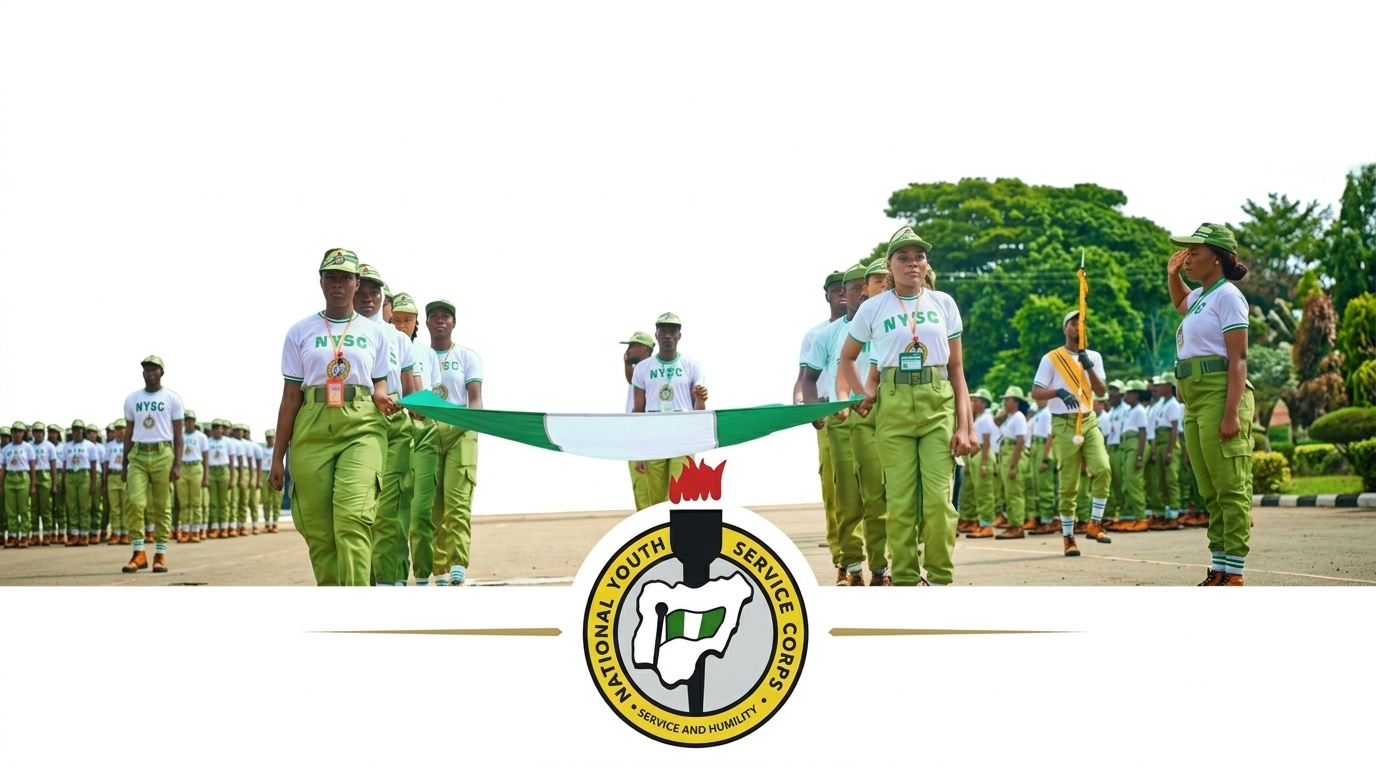
What to Expect in the 21 Days of NYSC Orientation Camp
The National Youth Service Corps (NYSC) orientation camp is a compulsory three-week programme that every prospective corps member (PCM) must complete before the one-year service period begins.
The programme is designed to introduce graduates to the values of discipline, national unity, leadership, and practical skills. For many PCMs, it is their first real experience of structured communal living after university.
Understanding what to expect can help reduce anxiety and allow PCMs to make the most of the experience.
1. The Need for Proper Preparation Before Camp
Proper preparation is essential because the orientation camp is intense, highly structured, and leaves little room for last-minute adjustments. PCMs who arrive unprepared may struggle with registration, physical demands, or basic comfort.
Key areas of preparation include:
Documents
Carry the original and several photocopies of your call-up letter, statement of result or degree certificate, medical fitness certificate, school ID, and any other documents listed on the NYSC portal.
Incomplete documents can delay registration.
Physical Readiness
The early wake-ups and physical activities require a reasonable level of fitness. Light exercise, walking, or jogging in the weeks before camp can help the body adjust faster.
Mental Readiness
Camp life involves shared hostels, strict rules, early mornings, and limited privacy. Going with an open mind, patience, and a positive attitude can make the transition smoother.
Packing
Essential items include extra white T-shirts and shorts, white socks, canvas shoes, toiletries, a mosquito net, torchlight, a rechargeable fan or power bank, light clothing for evenings, and enough money for the Mammy Market.
Avoid prohibited items such as knives, pressing irons, or large amounts of cash.
Proper preparation reduces stress and allows you to focus on the learning and bonding that the camp is designed to provide.
2. Camping Conditions Based on Corps Members’ Reviews
Past corps members generally describe camp conditions as basic but manageable, with the quality varying from state to state.
Hostels are usually large dormitories with bunk beds. Rooms can accommodate between 10 and 20 people, so personal space is limited.
Mattresses are provided, but many PCMs bring their own mosquito nets and bedsheets for comfort. Bathrooms and toilets are shared and can become crowded, especially in the early mornings. Water supply and electricity are generally available, although some camps experience occasional shortages.
Meals are provided free of charge three times a day in the dining hall. The food is typically made up of simple Nigerian staples such as bread and tea for breakfast, and rice or beans for lunch and dinner.
Many corps members supplement these meals at the Mammy Market inside the camp, where vendors sell more varied food.
Security is strict. On arrival, luggage is thoroughly searched and prohibited items are confiscated. Movement in and out of camp is restricted.
Despite the basic facilities, many reviews highlight the strong sense of community that develops. Many lifelong friendships begin in the shared hostel environment.
3. The Rigorous Drills and Why They Are Necessary
Military-style drills form a central part of the orientation programme. They usually begin very early, often with a bugle or wake-up call around 4:30 a.m.
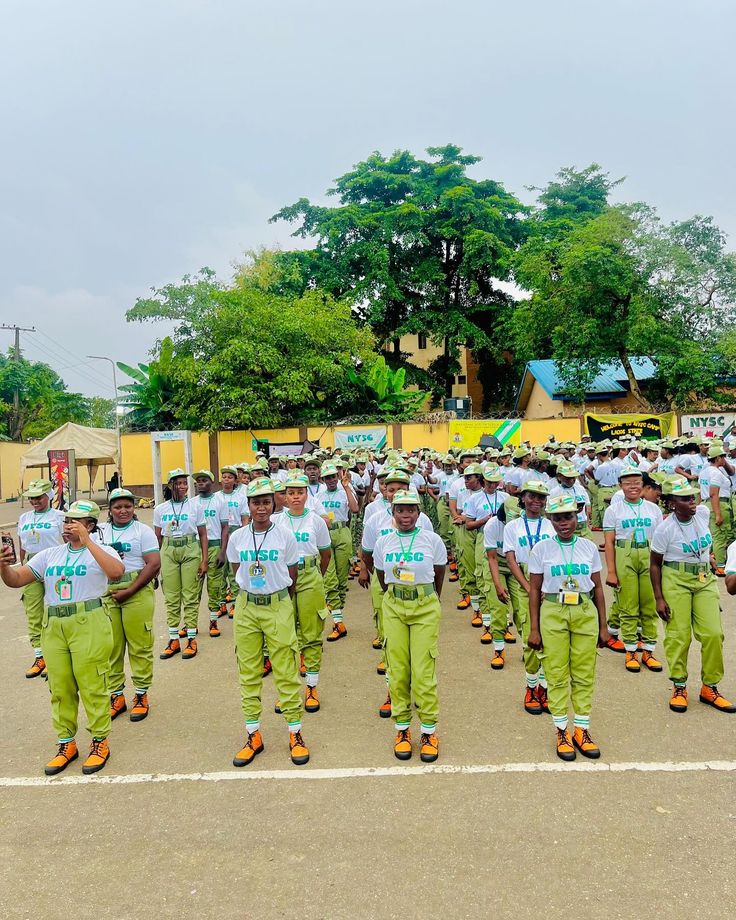
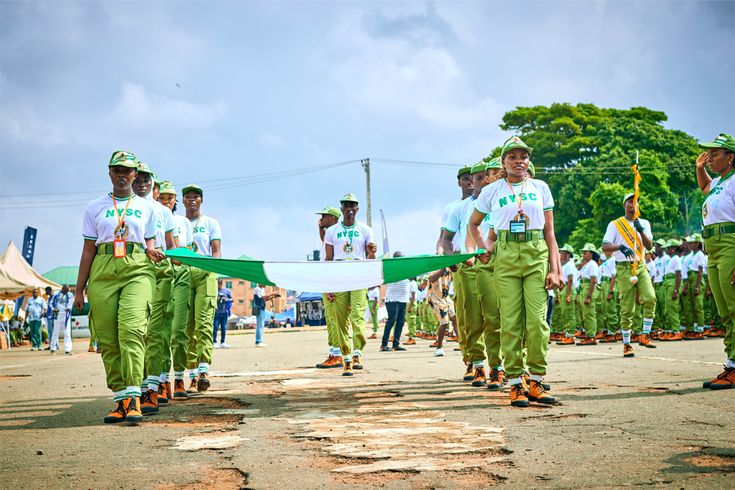
Corps members assemble on the parade ground in white kits for physical exercises, marching practice, saluting, and basic commands. Later in the day, there may be Man O’ War activities such as obstacle courses, rope climbing, crawling, and balance exercises.
These drills are deliberately rigorous. They are not designed as punishment. Officials and instructors explain that the purpose is to build physical fitness, discipline, resilience, teamwork, and mental toughness.
Standing for long periods under the sun, responding quickly to commands, and completing challenging physical tasks can help PCMs develop endurance and remain focused under pressure.
Many former corps members say the drills helped them develop self-confidence, determination, and an appreciation for collective effort. These are qualities that can be useful during the service year and beyond.
While the first few days can feel exhausting, most people gradually adapt. The shared experience can also create strong bonds among platoon members.
4. Other Orientation Activities Beyond Military Training
Camp is not only about drills. A significant portion of the programme focuses on personal development and national orientation.
Skill Acquisition and Entrepreneurship Development (SAED)
SAED is one of the practical components of the orientation programme. Corps members choose from a range of vocational skills such as fashion design, catering, photography, ICT, bead making, agriculture, soap making, and others.
Training includes both theoretical sessions and hands-on practice. Many PCMs leave camp with a new skill they can continue developing into a side business.
Lectures and Seminars
Lectures and seminars take place daily in the multipurpose hall. Topics commonly include national unity and integration, leadership, citizenship, entrepreneurship, health and safety, financial literacy, and the history and objectives of the NYSC scheme.
Guest speakers, including entrepreneurs, government officials, and security personnel, may also share practical insights.
Other Regular Activities
- Religious fellowships for Christians and Muslims
- Sports and inter-platoon competitions, including football, volleyball, and athletics
- Cultural carnivals and traditional attire displays
- Social nights, talent shows, Mr Macho, and Miss NYSC contests
- Platoon duties such as cleaning, kitchen assistance, and parade-ground maintenance
These activities balance the physical training and provide opportunities for relaxation, creativity, and cross-cultural interaction.
5. Everything That Goes on in Camp and What PCMs Should Expect
A typical 21-day orientation follows a clear pattern.
Days 1–3
Arrival, security checks, registration, biometrics, collection of kits, including white T-shirts, shorts, socks, khaki uniform, cap, belt, and boots, and assignment to a platoon.
The swearing-in ceremony usually takes place within the first few days.
Daily Routine
A typical day may include:
- 4:30 a.m.: Wake-up and morning devotion
- Early morning drills and physical training
- Breakfast
- Lectures, SAED sessions, or Man O’ War activities
- Lunch and a short rest
- Afternoon parade practice, sports, or platoon activities
- Dinner
- Evening social events or free time
- Lights out around 10 p.m.
Sundays are generally lighter, with more time for religious activities and rest, although evening drills may still take place.
Final Days
The final days involve intensive rehearsals for the Passing Out Parade (POP), collection of certificates, and the formal parade marking the end of orientation.
Emotional goodbyes and exchanges of contact details are common.
Throughout the three weeks, PCMs should expect strict rules, limited phone use during official activities, shared living spaces, early mornings, and a packed schedule.
They should also expect to meet people from different parts of Nigeria, form new friendships, discover personal strengths, and leave with improved discipline, practical skills, and a clearer understanding of national service.
The NYSC orientation camp can be demanding, but it can also be a memorable part of the national service experience. Preparing properly, keeping an open mind, and participating fully can make the 21 days easier to navigate and more rewarding.