Discount or Subsidy? What You Must Know About the FG’s 30-Day Fuel Discount
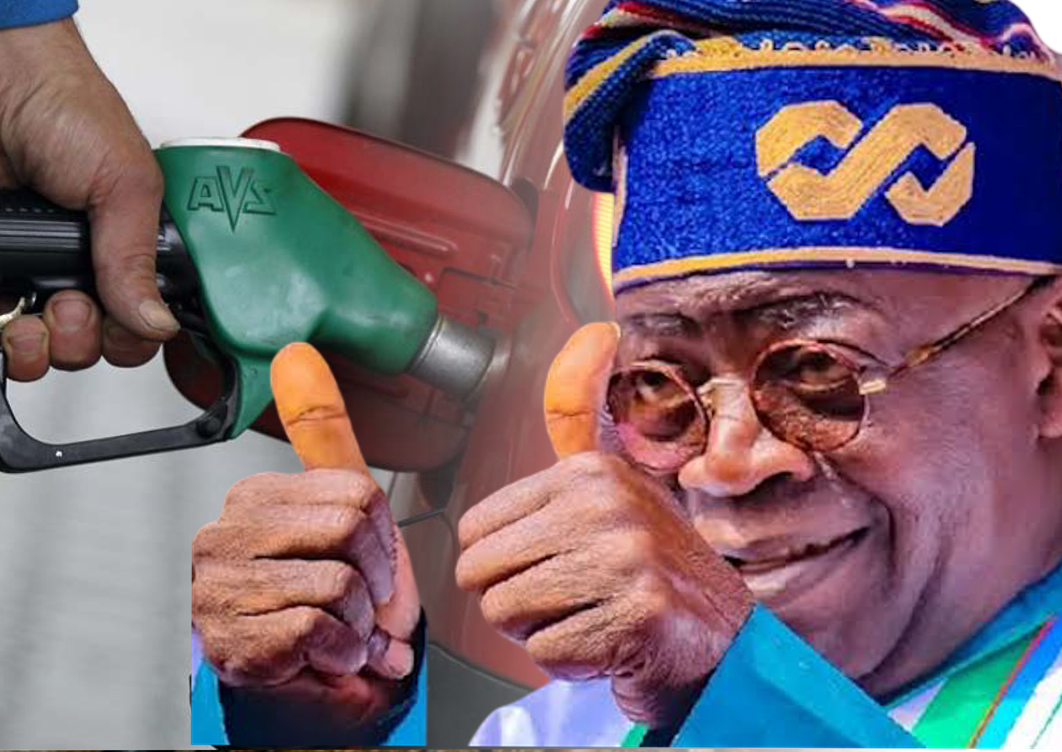
Nigeria’s latest fuel-price relief initiative has sparked a debate: is the Federal Government offering Nigerians a genuine commercial discount, or is it bringing back fuel subsidy under another name?
The initiative involves the Nigerian National Petroleum Company Limited (NNPC), which announced a temporary fuel discount through its retail operations. The offer was introduced on October 1, 2026, to mark Nigeria’s 66th Independence Anniversary and was subsequently extended until October 31, 2026.
NNPC says the initiative is intended to ease the pressure of rising fuel prices without restoring the former nationwide petrol-subsidy system. The government’s explanation is that NNPC Retail is giving up its retail profit margin to provide temporary relief to consumers.
However, the policy has raised questions about how the discount is funded, who benefits, how easily customers can access it, and whether a temporary price reduction can meaningfully address the wider cost-of-living crisis.
So, what exactly is the difference between a discount and a subsidy, and what does the arrangement mean for Nigerian motorists and commuters?
Read about NYSC Safety Tips for Corps Members in 2026
What the Fuel Discount Involves
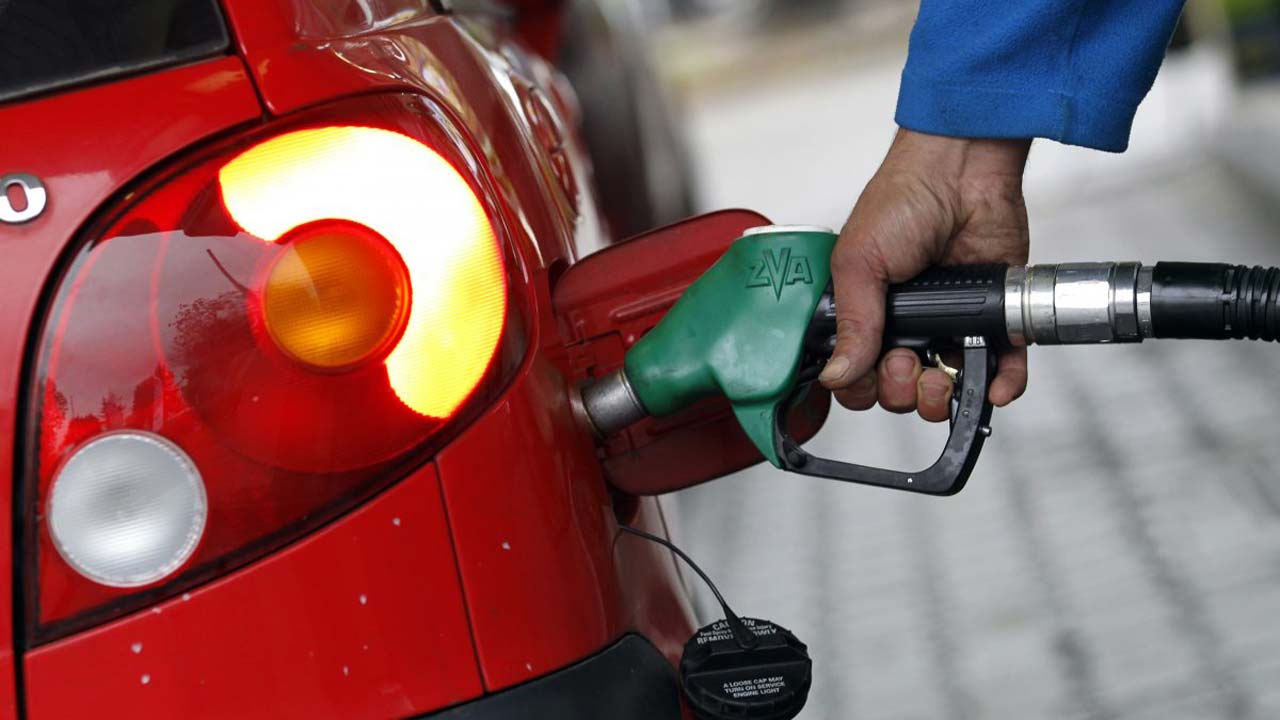
NNPC introduced a ₦66-per-litre discount on petrol through its retail network as part of its Independence Anniversary promotion. The company subsequently extended the offer through October 31, 2026.
The Federal Government later announced a 30-day fuel-price relief measure, with priority intended for public transport operators. The Presidency said NNPC Retail would forgo its petrol retail profit margin and sell fuel at cost as part of efforts to cushion the impact of rising global crude oil prices.
Although the two announcements are connected, their terms should not be treated as automatically identical in every respect. The ₦66-per-litre promotion has specific conditions, including the use of the NNPC Fuel App, while the government’s broader announcement describes a temporary margin reduction and gives priority to public transport operators.
NNPC has stated that the initiative does not establish a uniform national pump price or reverse the market-based pricing framework.
For example, if a participating station displays petrol at ₦1,350 per litre and an eligible customer receives the full ₦66 discount, the effective price would be ₦1,284 per litre. Actual pump prices vary by location, and customers should confirm the price and applicable promotion terms before paying.
The offer should not be assumed to apply automatically at every independent filling station or to every purchase made outside the stated conditions.
For the official explanation, read NNPC’s statement on the fuel discount and the Presidency’s announcement.
Why the Government Introduced the Discount
1. Rising cost of living
Petrol prices have remained a major concern for Nigerian households and businesses since the removal of the former petrol subsidy in May 2023. Higher fuel costs affect transportation, electricity generation for households and businesses, food distribution, and the prices of many goods and services.
The Federal Government presented the latest intervention as a temporary measure to ease some of the pressure created by higher fuel prices and global market volatility.
However, the discount does not directly resolve the broader issues of inflation, weak purchasing power, high operating costs, or rising food prices.
2. Support for public transport operators
Commercial drivers depend heavily on petrol to operate buses, taxis, tricycles and other passenger vehicles. Reducing their fuel expenses could help them manage operating costs and potentially stabilise transport fares.
The important question is whether passengers will actually benefit.
Lower fuel costs do not automatically translate into cheaper transport fares. Drivers also face expenses such as vehicle maintenance, spare parts, financing, road-related costs and traffic delays.
If public transport operators are given priority, a clear and transparent approach to measuring the benefits passed on to passengers would strengthen the policy.
3. Temporary relief without formally restoring subsidy
The government says it wants to provide immediate assistance without returning to the previous system of keeping petrol prices artificially low through government-supported subsidy arrangements.
Under the official explanation, NNPC Retail is temporarily reducing or foregoing its commercial margin rather than relying on an openly announced, continuing government payment to cover the difference between market costs and a regulated retail price.
The distinction matters, but the actual economic cost and the way the arrangement is accounted for remain important to understanding its full implications.
4. Nigeria’s Independence Anniversary
NNPC said the original promotion began on October 1 to mark Nigeria’s 66th Independence Anniversary. The company subsequently extended the offer through October 31.
The timing has also attracted political commentary because petrol prices are a sensitive issue for Nigerians. Some critics have questioned whether the initiative is primarily economic relief or a politically significant gesture.
The timing alone does not prove a political motive. Its effectiveness should ultimately be assessed through the actual savings delivered, the cost to NNPC, and the number of eligible consumers who benefit.
Discount Versus Subsidy: What Is the Difference?
The government and its critics disagree over how the initiative should be classified. Understanding the difference requires examining who bears the cost of the price reduction.
A commercial discount occurs when a seller reduces its normal selling price, for example by giving up part of its profit margin to attract customers or support a promotional campaign.
A fuel subsidy, in the conventional sense, occurs when the government or another public mechanism bears some of the cost of supplying fuel so that consumers pay less than they otherwise would.
Consider a simplified example. If petrol costs ₦1,500 per litre to supply and a seller charges ₦1,400, the ₦100 difference could represent a reduced profit margin, a commercial loss, or a subsidy, depending on the actual costs and funding arrangement. The selling price alone does not establish which explanation is correct.
The main questions are whether the retailer is genuinely absorbing the reduction from its margin, whether it is selling below its relevant cost, and whether public funds or another public-sector entity ultimately bear the burden.
The government’s position
The Federal Government says the arrangement is not a return to the former fuel subsidy. Finance Minister and Coordinating Minister of the Economy Taiwo Oyedele explained the distinction between a retailer reducing its margin and the government paying part of the price on behalf of consumers.
Under this argument, NNPC Retail is choosing to give up some or all of its retail margin temporarily. The government maintains that this is different from using public revenue to sustain a nationwide, ongoing price-support programme.
The critics’ argument
Critics argue that the economic effect matters as much as the official label.
If a government-owned company sacrifices revenue to reduce fuel prices for a public policy objective, the public may reasonably ask what that decision costs the company and whether it affects its financial contribution to the state.
A temporary intervention can also have subsidy-like effects if a public institution absorbs a cost that would otherwise fall on consumers.
However, a company foregoing profit is not automatically the same as the government paying a fuel subsidy. Establishing that distinction requires evidence about the company’s actual costs, margins, accounting treatment and any public compensation.
The central question is therefore not simply what the intervention is called, but who ultimately bears the cost.
Why the Policy Has Attracted Criticism
1. Questions about political motivation
Some critics have described the initiative as a publicity exercise or a politically motivated gesture. Their concerns relate to its timing, limited duration and the political sensitivity of petrol prices.
These are criticisms of the policy’s timing and perceived purpose, not proof of the government’s motives. A fair assessment should consider the initiative’s design, implementation and measurable results.
2. The relief is temporary
A one-month discount can offer immediate savings, but it does not provide a lasting solution to high transportation costs, inflation, low household purchasing power or the wider challenges facing businesses.
When the offer ends, consumers may again face the prevailing market price. Lasting improvements will require broader measures that address the underlying costs of producing, importing, distributing and selling fuel.
3. Access depends on the scheme’s conditions
The ₦66-per-litre promotion has been associated with payment through the NNPC Fuel App. This may create difficulties for customers who lack compatible smartphones, reliable internet access, suitable digital-payment options or familiarity with the application.
Customers should also distinguish between the wider NNPC Retail discount announcement and the specific terms of the app-based promotion.
NNPC has promoted the offer through its retail network, but customers should confirm the current terms, payment requirements and eligibility before travelling to a station.
4. Questions about implementation
A discount is useful only when eligible customers can access it and the correct reduction is applied.
Confusion can arise when customers are unsure which stations participate, how to complete payment, or whether the displayed pump price already reflects the discount.
Clearer communication, accessible customer support and transparent transaction records would help customers understand what they are entitled to receive.
5. Lower fuel prices may not reduce transport fares
Even when drivers save money on petrol, they may not immediately reduce fares. Other operating costs and local market conditions influence what passengers pay.
The government’s stated priority for public transport operators therefore raises an important accountability question: how will the impact on commuters be assessed?
Without reliable evidence of savings reaching passengers, the intervention’s wider social benefit remains difficult to measure.
How Nigerians Can Access the NNPC Fuel Discount
Customers interested in the ₦66-per-litre promotion should verify the latest terms before purchasing fuel.
- Download the NNPC Fuel App using the official link provided by NNPC.
- Register or sign in, following the app’s instructions.
- Check the current offer details and identify an eligible NNPC Retail outlet.
- Confirm the station’s current pump price and the payment method required.
- Complete the transaction according to the promotion’s terms.
- Check the transaction record to confirm that the applicable discount was received.
- Keep your receipt or digital payment record in case you need to raise a complaint.
You can find the app through NNPC’s announced Fuel App link.
Important: The stated promotional period runs through October 31, 2026, but customers should confirm that the offer remains active and check its precise conditions. Do not assume that the discount applies to every product, payment method or filling station without verification.
What Customers Should Know
Before relying on the discount, remember these key points:
- The reported app promotion offers ₦66 off each eligible litre.
- The promotion was introduced on October 1 and extended through October 31, 2026.
- The discount does not create one uniform petrol price across Nigeria.
- The app-based promotion has specific payment and eligibility conditions.
- Independent filling stations should not be assumed to participate.
- The government has said public transport operators should receive priority under its broader relief measure.
- Cheaper petrol does not automatically guarantee lower transport fares.
- Customers should verify the final price, retain payment records and report unresolved problems through official NNPC customer-service channels.
Can the Fuel Discount Solve Nigeria’s Fuel-Price Problem?
The initiative has a reasonable short-term objective: helping some consumers manage higher fuel expenses during a period of economic pressure. If NNPC Retail can provide the reduction by temporarily giving up part of its commercial margin, it may offer relief without recreating the previous nationwide subsidy arrangement.
Nevertheless, the benefits have limits. Customers must meet the applicable conditions, access eligible outlets and complete the required transaction. The offer is temporary, and its effect on transport fares depends on whether commercial operators pass savings on to passengers.
The debate also highlights the need for transparency. Nigerians deserve a clear explanation of the amount of revenue being forgone, the financial treatment of the initiative, the number of consumers benefiting and the arrangements for monitoring implementation.
The government’s position is that the programme is a temporary commercial discount, not a restoration of the former fuel subsidy. Critics argue that a public company’s decision to absorb costs for public relief deserves scrutiny for its wider economic effects.
Both the label and the funding arrangement matter. A temporary reduction in a retailer’s profit margin is not automatically equivalent to a government-funded subsidy, but its true economic implications cannot be judged without clear information about who bears the cost.
Ultimately, the programme should be evaluated on its transparency, accessibility, financial implications and measurable benefits to Nigerians—not on terminology alone.