

How to Graduate With a Good Grade in Nigerian Universities and Polytechnics
Graduating with a good grade is an important goal for many students in Nigerian universities and polytechnics. Whether it is a First Class, Second Class Upper, Distinction or Upper Credit, a strong academic record can influence early career opportunities, postgraduate applications, scholarships and professional development.
In Nigeria’s competitive job market, employers may use academic performance as an initial screening factor, particularly in areas such as banking, oil and gas, consulting, multinational companies and some government agencies. Strong academic records can also be useful when applying for postgraduate studies, scholarships, internships and professional opportunities.
Beyond employment and further education, graduating with a good grade can build confidence and demonstrate discipline, resilience and the ability to meet demanding standards.
However, getting good grades does not mean spending every waking hour memorising textbooks. Students need to find a balance between genuinely understanding their courses and understanding how their institution assesses academic performance.
Balance Deep Learning With Grade Attainment
Students sometimes fall into one of two extremes.
Some focus entirely on getting marks, memorising past questions and looking for shortcuts without understanding the underlying concepts. Others concentrate only on gaining knowledge while paying little attention to tests, continuous assessment, examinations and other requirements that determine their final grades.
Neither approach is ideal.
University and polytechnic education should develop knowledge, critical thinking and practical skills. At the same time, students are assessed through continuous assessments, tests, examinations, projects, seminars and other academic activities.
The best approach is to understand the material deeply while also preparing strategically for how it will be assessed.
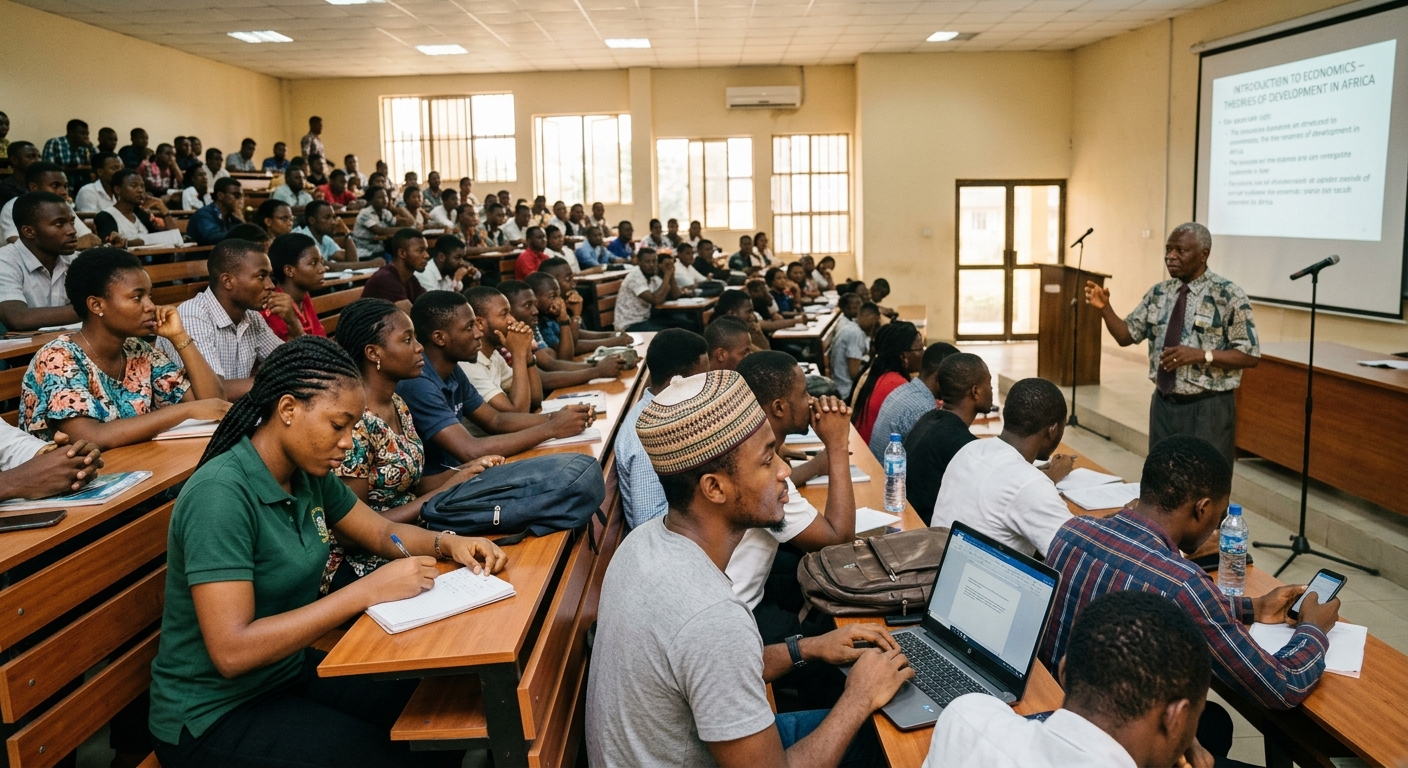
Attend lectures with the intention of understanding the concepts. Then study how those concepts are likely to be tested. Learn the material well enough to explain it, apply it and answer questions in different formats.
Deep understanding often makes it easier to perform well when examination questions are presented differently from what you have previously seen.
Pure cramming may help with a single examination, but it can leave students struggling when they encounter more advanced courses or professional situations.
Aim to become both academically sound and grade-conscious. The two can support each other when appr
oached properly.
Also read Federal Ministry of Education Certificate Authentication
Common Distractions That Can Derail Academic Progress
Nigerian campuses can present many distractions that gradually affect academic performance.
Some common ones include:
- Excessive partying, clubbing and social activities that consume valuable study time.
- Habitual absence from lectures and tutorials.
- Procrastination and inconsistent studying.
- Relying entirely on handouts or examination “expo” instead of understanding the subject.
- Ignoring health problems until they interfere with academic work.
- Financial difficulties that affect fees, learning materials or living conditions.
- Becoming overly involved in campus politics, religious activities or side businesses without proper time boundaries.
- Peer pressure and unhealthy friendships.
- Relationship problems that consume excessive emotional energy.
- Excessive phone use, social media and entertainment.
- Accommodation and transportation problems that make regular attendance difficult.
- Institutional disruptions such as prolonged strikes.
Recognising these distractions is only the first step. Students also need to establish boundaries that protect their time, energy and concentration.
Practical Strategies for Achieving Good Grades
Attend Lectures Consistently
Take lecture attendance seriously.
Lectures provide more than information that may appear in your notes. Lecturers often explain difficult concepts, emphasise important areas and provide context that may not be available in handouts.
Some courses may also include attendance marks.
Arrive early when possible, sit where you can concentrate and minimise distractions during lectures.
Develop Effective Study Habits
Create a realistic weekly timetable that accounts for lectures, assignments, revision, personal responsibilities and rest.
Use active study techniques instead of simply reading the same material repeatedly.
You can:
- Summarise topics in your own words.
- Teach difficult concepts to course mates.
- Solve past questions under timed conditions.
- Create your own notes.
- Review difficult topics regularly.
- Join focused study groups.
Start preparing early rather than waiting until examination week.
Consistent weekly revision is generally more sustainable than attempting to learn an entire semester’s material in a few nights.
Take Continuous Assessment and Examinations Seriously
Every continuous assessment, test and examination contributes to your overall academic performance.
Prepare properly for tests instead of treating them as minor activities.
During examinations:
- Read every question carefully.
- Understand exactly what is being asked.
- Manage your time.
- Answer questions directly.
- Present your work clearly.
- Leave enough time to review your answers.
For practicals, seminars and projects, start early and maintain regular communication with your supervisors or lecturers.
Manage Your Time and Energy
Identify activities that have the greatest impact on your academic performance.
Use simple tools such as:
- To-do lists
- Phone reminders
- Weekly planners
- Study timetables
- Calendar applications
Use your most productive periods for difficult courses where possible.
If you concentrate better in the morning, protect those hours for challenging academic work.
You also need to learn how to decline activities that are not important, especially during examination and assessment periods.
Make Use of Academic Resources
Take advantage of the resources available to you.
Visit the library, use recommended textbooks and consult academic databases where available.
Attend tutorials and seek clarification when you do not understand a topic.
Past questions can also be useful. However, they should be used to understand question patterns and practise applying knowledge, not as a replacement for studying the actual course material.
Protect Your Physical and Mental Well-Being
Academic performance can suffer when students consistently neglect their health.
Eat reasonably, sleep adequately and exercise moderately.
If you are dealing with a health problem, seek appropriate help instead of allowing it to continue affecting your studies.
Where counselling or student support services are available, students experiencing significant stress or other difficulties should consider using them.
A sustainable academic routine requires adequate rest and recovery.
Additional Habits That Can Improve Academic Performance
Small habits can make a significant difference over the course of an academic programme.
Keep organised records of:
- Test scores
- Continuous assessment results
- Assignments
- Lecture materials
- Important academic documents
Ask questions early when you do not understand a topic. You can approach lecturers, tutors or academically strong course mates for clarification.
Avoid examination malpractice completely. The potential consequences, including expulsion or delayed graduation, can far outweigh any short-term benefit.
Also stay informed about departmental and faculty announcements, particularly those concerning registration, examinations, results and academic procedures.
What to Do After a Bad Semester
A poor semester does not necessarily determine your final academic outcome.
Many students experience setbacks during their university or polytechnic programmes and still recover.
The first step is to assess the situation honestly.
Ask yourself:
- Did I attend lectures consistently?
- Did I start studying early enough?
- Were there particular courses I struggled with?
- Did financial or personal circumstances affect my performance?
- Did I spend too much time on distractions?
- Did I seek help when I needed it?
Once you identify the problems you can control, take specific steps to address them.
Speak With Lecturers or Academic Advisers
Meet relevant lecturers or academic advisers where necessary.
Ask for constructive feedback about areas where your performance can improve.
Recalculate Your GPA
Know where you currently stand academically.
Calculate your cumulative GPA and determine what grades you need in subsequent semesters to reach your desired final classification.
Having a clear target makes it easier to measure progress.
Create a More Realistic Study Plan
Do not simply promise yourself that you will “read harder.”
Create a practical schedule that specifies when and what you will study.
Reduce the Distractions
If excessive socialising, phone use, side activities or other distractions contributed to poor performance, establish stronger boundaries.
Get Help Early
Do not wait until examination week before seeking assistance with difficult courses.
Use tutorials, peer coaching, study groups, recommended textbooks and other academic resources.
Manage Carry-Over Courses Carefully
If you have carry-over courses, plan strategically for them.
Avoid taking on an unrealistic workload simply because you want to clear everything at once.
Monitor Your Progress
Check your academic performance throughout the semester instead of waiting until results are released.
Small corrections made early can prevent larger problems later.
Academic recovery is usually gradual. Consistent improvement from one semester to the next can significantly change the overall trajectory of a student’s academic performance.
Build Productive Relationships With Lecturers and Fellow Students
The people around you can influence your academic experience.
With Lecturers
Be respectful, punctual and professional.
Attend classes, submit assignments on time and ask thoughtful questions.
When necessary, speak with lecturers during appropriate consultation or office hours.
Do not expect special treatment, and never attempt to compromise academic standards.
Students who consistently demonstrate seriousness may find it easier to receive academic guidance, recommendations or clarification when they need it.
With Fellow Students
Build relationships with students who take their academic goals seriously.
Good study partners can help with:
- Group discussions
- Note-sharing
- Revision
- Past-question practice
- Motivation
Avoid relationships that constantly encourage excessive partying, gossip or other activities that interfere with your academic goals.
Senior students who have performed well can also provide useful advice about courses, lecturers, departmental expectations and academic routines.
Important Things Students Often Overlook
Plan Your Finances
Financial problems can interfere with academic progress.
Budget for school fees, accommodation, transportation, learning materials and other academic expenses.
Where appropriate, investigate scholarships, work-study opportunities or other legitimate sources of support early.
Understand Your Course Registration
Register your courses correctly and on time.
Understand your curriculum, prerequisite courses and graduation requirements from the beginning of your programme.
A registration mistake can create unnecessary academic problems later.
Take Your Final-Year Project Seriously
Your project or thesis is an important part of your academic record.
Start early, communicate regularly with your supervisor and aim to produce quality work.
A strong project can also provide useful material for future academic or professional applications.
Balance Extracurricular Activities
Leadership, professional development, volunteering and other extracurricular activities can be valuable.
However, they should complement your academic work rather than consistently compete with it.
Quality involvement is more useful than trying to participate in everything.
Adapt to Institutional Challenges
Nigerian institutions can experience disruptions such as strikes, delayed results and administrative challenges.
When these occur, maintain your personal study routine as much as possible.
Keep records of submissions, registrations, payments and important academic communications.
Think Long-Term
Treat your academic programme as a multi-year project.
A student who maintains reasonably strong performance consistently can often achieve more than someone who alternates between periods of intense effort and long periods of neglect.
Consistency matters.
Take Ownership of Your Academic Journey
Graduating with a good grade in a Nigerian university or polytechnic requires more than intelligence.
It requires consistent attendance, effective study habits, preparation, time management, health management and the ability to control distractions.
Students should aim to understand their courses deeply while also learning how their institution assesses them.
Setbacks do not have to determine the final outcome. A poor semester can become a turning point when the student honestly identifies what went wrong and makes practical changes.
Start from where you are. Protect your time. Ask for help when you need it. Keep track of your academic progress and remain consistent.
Over several years, small disciplined actions can produce a much stronger academic record and better prepare you for employment, postgraduate studies, entrepreneurship and professional life.